Office Removals in Finland: A Practical, Efficient Approach for Modern Businesses
Why Office Removals in Finland Require Careful Planning

Office removals in Finland are rarely just about moving desks, computers, and chairs from one location to another. For many businesses, an office move is a major operational event that affects productivity, staff morale, client service, IT continuity, and even compliance obligations. Whether you are relocating within Helsinki, expanding into Tampere, moving a branch in Turku, or reorganizing a workspace in Oulu, the process should be handled with structure and precision.
The Finnish business environment is known for its efficiency, order, and reliability, and those same values should shape any office relocation project. A successful office move depends on timing, logistics, communication, and the ability to minimize disruption. Companies that treat office removals in Finland as a strategic project rather than a simple transport task are far more likely to protect business continuity and avoid costly delays.
Because offices often contain sensitive equipment, confidential documents, and expensive technology, every stage of the move must be managed with care. Professional office removals in Finland can support businesses with packing, labeling, transport, dismantling, and reassembly, helping teams settle into their new environment faster. Careful planning is not optional; it is the foundation of a smooth relocation.
Understanding the Finnish Office Relocation Landscape
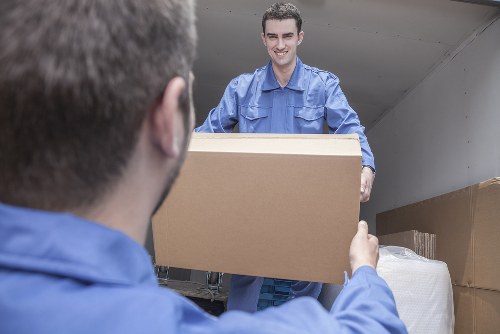
Finland offers a highly developed infrastructure, but office removals still come with location-specific challenges. Urban areas such as Helsinki and Espoo may involve parking restrictions, busy streets, elevator reservations, and strict building access rules. Smaller cities and industrial zones may provide more space, but they can also require longer travel distances and more detailed coordination for loading and unloading.
Seasonal conditions are another important factor. Winter office removals in Finland can involve snow, ice, low temperatures, and limited daylight. These conditions can affect transport schedules, safety procedures, and the handling of delicate electronics. Summer relocations may be more flexible, but high demand for moving services during holiday periods can make early booking essential.
For local and international companies alike, understanding the relocation environment is essential. Office relocation in Finland often involves coordination with property managers, IT teams, cleaners, furniture suppliers, and sometimes external contractors. Businesses that take time to understand these moving parts can reduce stress and avoid disruption to daily operations.
Benefits of Choosing Professional Office Removals

Hiring a professional team for office removals in Finland offers clear advantages. The first is efficiency. Experienced movers know how to pack, label, load, and unload office assets in a logical sequence, which reduces confusion and saves time. This matters because every hour of downtime can affect revenue, customer service, and internal workflows.
Another major benefit is safety. Office equipment such as monitors, servers, printers, and filing cabinets can be heavy, fragile, or awkward to move. A trained moving team uses proper lifting techniques, protective materials, and suitable transport equipment to reduce the risk of damage or injury. In addition, many removal services provide insurance options, giving businesses added peace of mind.
Professional office removals in Finland also help preserve organization. When workstations, departments, and archives are labeled properly, the new office can become functional much faster. Well-managed labeling and inventory systems prevent the common problem of boxes arriving at the destination without a clear destination or purpose. This level of structure is especially valuable for larger offices, coworking spaces, and organizations with multiple teams.
Core Services Often Included in Office Removals
Many relocation providers in Finland offer a broad range of services designed to support business moves from start to finish. These may include:
- Pre-move planning and site assessment
- Packing of office supplies, documents, and equipment
- Furniture dismantling and reassembly
- Secure transport of sensitive items
- Temporary storage solutions
- Waste removal and recycling support
- Post-move setup assistance
These services can be tailored to suit the size and complexity of the office. A small startup may only need transport and packing materials, while a large enterprise may require a phased relocation plan, weekend move, and specialist handling for IT infrastructure. The flexibility of office removals in Finland makes it possible to build a move around the needs of the organization.
Companies should also consider whether they need support with internal rearrangement. Sometimes a move is not between two separate buildings, but a redesign of the existing office. In that case, a removal company can still help move furniture, remove obsolete items, and create a more efficient workspace layout.
What to Expect During the Planning Phase
The planning phase is one of the most important stages of office removals in Finland. A proper plan typically includes timelines, department responsibilities, inventory lists, floor plans, and communication schedules. Businesses should start planning weeks or even months before the move date, especially if the office has a large number of employees or specialized equipment.
Clear documentation is essential. Teams should identify which items will move, what will be discarded, what needs storage, and what must arrive first at the new site. A detailed checklist helps avoid last-minute confusion and keeps everyone aligned.
How to Prepare Your Business for an Office Move

Preparation is often the difference between a stressful relocation and a successful one. A well-prepared office move begins with assigning internal responsibilities. Someone should oversee the overall project, coordinate with the moving company, and communicate updates to staff. In larger organizations, it is useful to appoint departmental representatives who can manage team-specific logistics.
Inventory management should happen early. Every piece of furniture, equipment, and stored material should be reviewed before moving day. This is an opportunity to clear out broken chairs, outdated technology, archived files that no longer need to be retained, and unnecessary office clutter. Reducing volume can lower moving costs and make the new office easier to organize.
Staff communication is equally important. Employees need to know what to pack, when to pack it, where their items will go, and what the new workplace will look like. Businesses that communicate clearly often experience a smoother transition because employees can prepare their own workstations and understand what is expected of them.
Practical Preparation Checklist
- Confirm the moving date and building access times
- Notify staff and departments early
- Back up digital files and protect data
- Label all boxes and equipment clearly
- Measure furniture and doorways at the new office
- Arrange IT shutdown and restart timing
- Plan for mail forwarding and address updates
IT and Data Protection During Office Removals in Finland

One of the most sensitive aspects of office removals in Finland is the handling of IT systems and business data. Computers, servers, routers, and network equipment must be moved with special care, and the relocation should be coordinated with the company’s IT team or external service provider. Downtime can be expensive, so every step should be planned with business continuity in mind.
Before the move, all important data should be backed up securely. This applies to cloud-based systems, local servers, and devices used by individual employees. Data security is especially important when moving files, archived records, and hardware containing confidential information. Businesses handling personal data should also consider privacy obligations and internal access controls throughout the move.
At the new office, systems should be checked methodically before full operations resume. Internet connections, telephones, printers, access cards, and meeting room technology should all be tested. In many cases, a phased IT restart is better than turning everything on at once. This allows teams to identify and fix issues before they affect a full working day.
IT Move Best Practices
To reduce risk, companies should label cables, photograph workstation setups, and assign responsibility for each device. If the relocation involves a server room or specialist hardware, it may be worth scheduling the move during off-hours or over a weekend. This approach is often used in office removals in Finland where minimizing downtime is a priority.
Furniture, Packing, and Workspace Setup
Office furniture can be surprisingly complex to move. Desks, storage units, meeting tables, and ergonomic chairs often need dismantling before transport and reassembly afterward. In modern workplaces, furniture choices are often linked to collaboration, hybrid work, and employee wellbeing, so it makes sense to protect these investments during the move.
Packing should be organized by department, function, or workstation. This makes unpacking much more efficient and helps employees return to work quickly. Fragile items should be wrapped properly, files should be placed in secure boxes, and shared resources should be clearly marked. Simple, consistent labeling is one of the most effective ways to reduce chaos on moving day.
After arrival, workspace setup should follow a planned order. Priority items may include reception furniture, meeting rooms, IT equipment, and essential employee desks. A good removal team can help place furniture according to the office layout, saving time and reducing the risk of unnecessary rearranging later.
Examples of Items That Need Special Handling
- Glass tables and cabinets
- Servers and network devices
- Archive boxes and legal records
- Artwork and branding materials
- Large printers and multifunction devices
- Ergonomic furniture with adjustable components
Office Removals in Finland for Small, Medium, and Large Businesses
The needs of a small business are very different from those of a large corporation, but both can benefit from a structured relocation plan. A small company may have a lean team, limited equipment, and a faster turnaround time. In such cases, office removals in Finland can often be completed in a single day or over a weekend, especially if the new office is nearby.
Medium-sized businesses often face more complexity. They may have several departments, a larger amount of furniture, and more IT equipment to manage. For these organizations, phased moving is often the best solution. A phased move allows some staff to remain operational while others transition to the new premises. This can reduce downtime and support customer service continuity.
Large enterprises usually require detailed project management. They may need site visits, staged packing, multiple transport runs, and close collaboration between internal teams and the moving provider. Office removals in Finland for large organizations may also involve compliance checks, records management, and coordination with landlords or facility managers. The larger the office, the more valuable it becomes to have a disciplined relocation plan.
Local Considerations in Finnish Cities and Regions
Different parts of Finland can create different moving conditions. In Helsinki, for example, office buildings may have limited loading access, busy parking zones, and strict scheduling requirements. In Espoo and Vantaa, business parks may offer easier logistics, but moving teams still need to manage access rules and multi-tenant buildings. Tampere, Turku, Jyväskylä, and Oulu each bring their own mix of traffic patterns, building types, and weather-related factors.
Regional considerations can also affect timing. If a business is moving between cities, transport distances must be factored into the schedule. Longer routes may require an earlier start, additional staffing, or overnight logistics. During winter, road conditions can affect travel time, so experienced movers should always build in a buffer.
Local expertise matters because it helps avoid small but costly delays. A mover familiar with Finnish business districts, access procedures, and seasonal conditions can make the process smoother. That local knowledge often translates directly into better timing, less stress, and a more controlled relocation experience.
Budgeting for Office Removals in Finland
Budget is always a major consideration, and office removals in Finland should be evaluated as an operational investment rather than a simple expense. Costs can vary depending on office size, distance, access conditions, packing requirements, storage needs, and the amount of dismantling or assembly involved. A simple move with minimal furniture will cost less than a full-scale relocation involving IT systems and multiple departments.
To keep costs under control, businesses should request detailed quotes and compare what is included. Some providers charge by the hour, while others offer fixed-price packages. It is important to understand whether packing materials, storage, insurance, and labor for furniture assembly are included. Transparent pricing helps prevent surprises and makes budgeting easier.
Businesses can also save money by decluttering before the move, labeling efficiently, and choosing an appropriate moving date. Flexible scheduling may reduce costs if it avoids peak periods or urgent last-minute bookings. At the same time, the cheapest option is not always the best one if it increases the risk of delays, damage, or extended downtime.
Factors That Influence Cost
- Office size and number of employees
- Distance between the old and new premises
- Amount of packing and unpacking required
- Need for storage or disposal services
- Special handling for IT or fragile items
- Access limitations such as stairs, lifts, or parking restrictions
- Timing, such as evening or weekend moves
Choosing the Right Moving Partner
Selecting the right partner is one of the most important decisions in office removals in Finland. A reliable provider should understand business needs, communicate clearly, and offer practical solutions that fit the office environment. Experience matters, but so does responsiveness. When a company needs to adjust the plan, the mover should be able to adapt without creating unnecessary disruption.
Before choosing a provider, businesses should assess service scope, planning support, insurance coverage, and ability to handle specialized items. It is also worth asking how the company manages scheduling, what equipment it uses, and how it approaches security-sensitive relocation tasks. A strong moving partner does more than transport boxes; it helps protect business continuity.
For many organizations, the ideal partner is one that can handle both the physical move and the logistical details around it. That might include packing support, furniture assembly, storage, disposal, and post-move coordination. When these services are available under one roof, the process becomes more streamlined and easier to manage.
Questions to Consider Before Hiring
- Does the provider have experience with office relocations?
- Can they manage IT equipment and confidential materials?
- Do they offer flexible scheduling for minimal disruption?
- Are packing, transport, and assembly included?
- How do they handle insurance and risk management?
Minimizing Downtime and Protecting Productivity
One of the main objectives of office removals in Finland is to keep the business running smoothly. Downtime can affect appointments, customer support, internal collaboration, and revenue generation. The best way to reduce downtime is through careful sequencing. Critical systems and essential teams should be moved first or restored first, while nonessential items can follow later.
Weekend moves and after-hours scheduling are often helpful for companies that need to resume work quickly. In some cases, it may be useful to relocate in stages rather than all at once. This approach can be particularly effective for larger offices, where some departments can keep working while others transition.
Productivity also depends on how quickly employees can settle into the new workspace. Clear labeling, organized unpacking, and a well-planned furniture layout can all help people get back to work faster. The faster the new office becomes functional, the less expensive and disruptive the relocation feels.
Common Challenges and How to Avoid Them
Even a well-planned office move can face unexpected issues. Traffic delays, weather changes, building access problems, or equipment mislabeling can create setbacks. The good news is that many of these challenges can be avoided through preparation and communication. A detailed move plan should always include contingency time for delays and a clear chain of responsibility.
Another common challenge is underestimating the amount of work involved. Office removals in Finland often take longer than expected because offices contain more small items than people realize. Pens, chargers, files, wall boards, kitchen supplies, and personal belongings can all slow the process if they are not packed in advance.
Staff resistance can also become an issue if employees feel excluded from the process. Regular updates, clear instructions, and realistic timelines help build trust. When people know what is happening and why, they are more likely to cooperate and prepare effectively.
Ways to Reduce Relocation Risks
- Start planning early
- Use detailed labeling systems
- Back up data before moving
- Confirm access and parking arrangements
- Communicate frequently with employees
- Allow time for setup and testing at the new office
Office Removals in Finland and Sustainability
Sustainability has become increasingly important in business operations, and office removals in Finland can support greener practices. Companies can recycle unwanted furniture, donate usable items, reduce packaging waste, and choose routes or schedules that lower environmental impact. Some businesses also use the relocation as an opportunity to replace inefficient equipment with more energy-conscious alternatives.
Responsible disposal is particularly relevant when moving out of older offices. Rather than sending everything to landfill, businesses should separate recyclable materials, document disposal actions, and work with service providers that support environmentally responsible handling. This can improve corporate responsibility and reduce waste costs at the same time.
Eco-friendly office removals can also involve reusing existing furniture in new layouts, repurposing storage units, and minimizing the purchase of unnecessary new items. These decisions can support both sustainability goals and budget control, making them a smart choice for modern organizations.
Final Thoughts on Office Removals in Finland
Office removals in Finland are a practical but detailed process that requires planning, coordination, and the right support. From inventory control and IT handling to furniture transport and post-move setup, every stage matters. Businesses that prepare early and work with experienced professionals are much more likely to enjoy a smooth transition and a faster return to normal operations.
Whether you are relocating a small startup, a growing mid-sized firm, or a large corporate office, the same principles apply: plan carefully, communicate clearly, protect your assets, and keep downtime to a minimum. The Finnish market rewards efficiency, and a well-managed relocation reflects that standard perfectly.
If your company is preparing for a move, now is the time to act. Contact us today to start planning your office removals in Finland, or book your service now to secure a smooth, professional relocation that supports your business from day one in the new space.